Lao PDR Builds National Tiger-Tracking System to Combat Wildlife Trafficking
VIENTIANE, Lao PDR —Lao PDR has recorded 424 captive tigers across six designated facilities and surgically sterilized 21 male tigers as part of continuing measures to strengthen population management, improve traceability and support safeguards against illegal wildlife trade.
The figures appear in the Department of Forestry’s revised 2026 report on the implementation of Compliance Action Plan (CAP) Recommendation j), which addresses measures to limit and control the country’s captive-tiger population.
The largest recorded populations were at Vannaseng, with 147 tigers, and Akhom-Lao International Zoo, with 146. Golden Triangle Zoo recorded 51 tigers, Kammuan Zoo 32, Say Nam Theun Resort Zoo 31 and Tad Tham Pha Zoo 17.
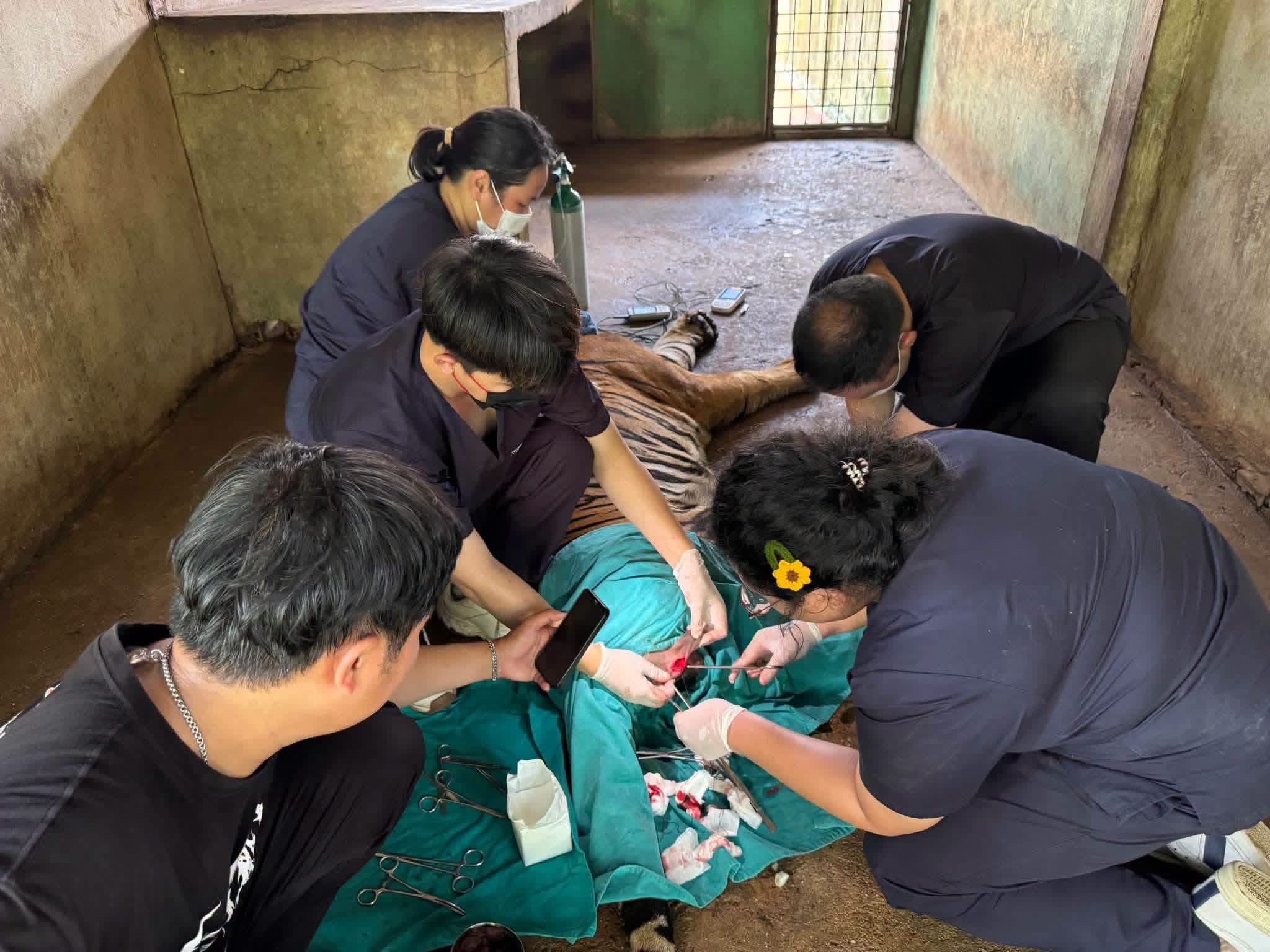
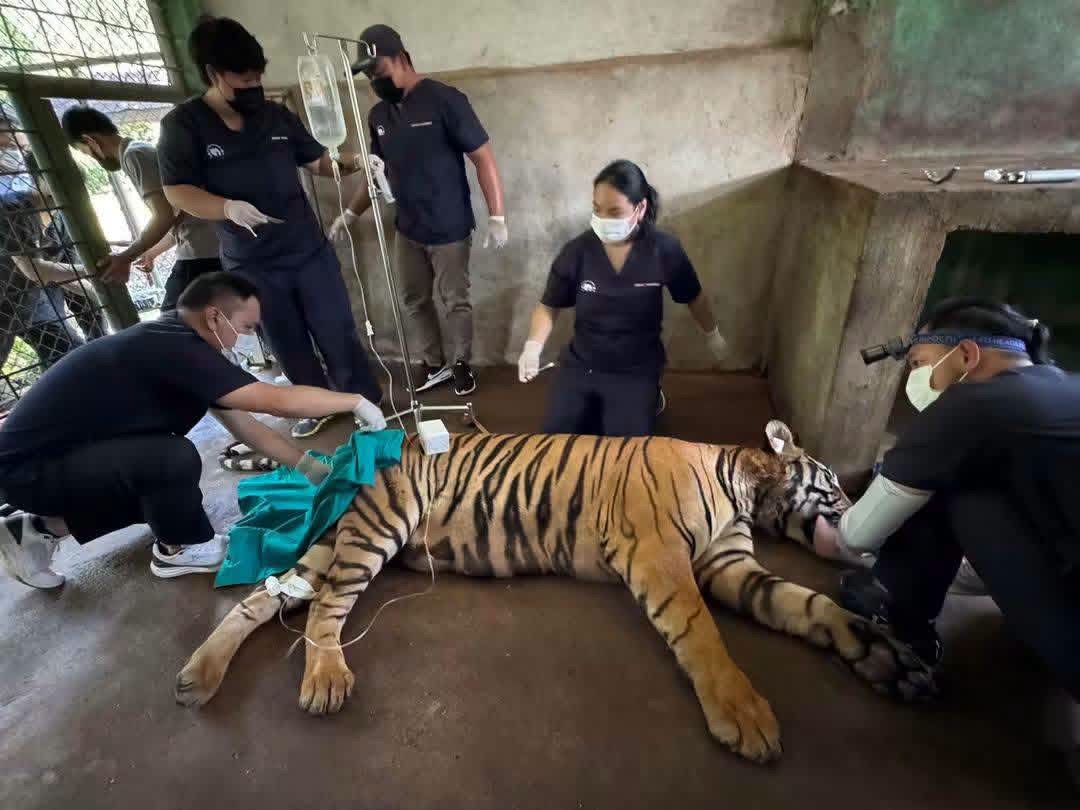
Veterinary examinations and assessments of suitability for sterilization were conducted across all six facilities. Surgical sterilization was completed on 10 male tigers at Golden Triangle Zoo, five at Tad Tham Pha Zoo, three at Vannaseng, two at Kammuan Zoo and one at Akhom-Lao International Zoo.
No surgical sterilizations were reported at Say Nam Theun Resort Zoo, where surgery was not recommended for the elderly males assessed. Reproductive control at the facility continues through separation, controlled housing and monitoring.
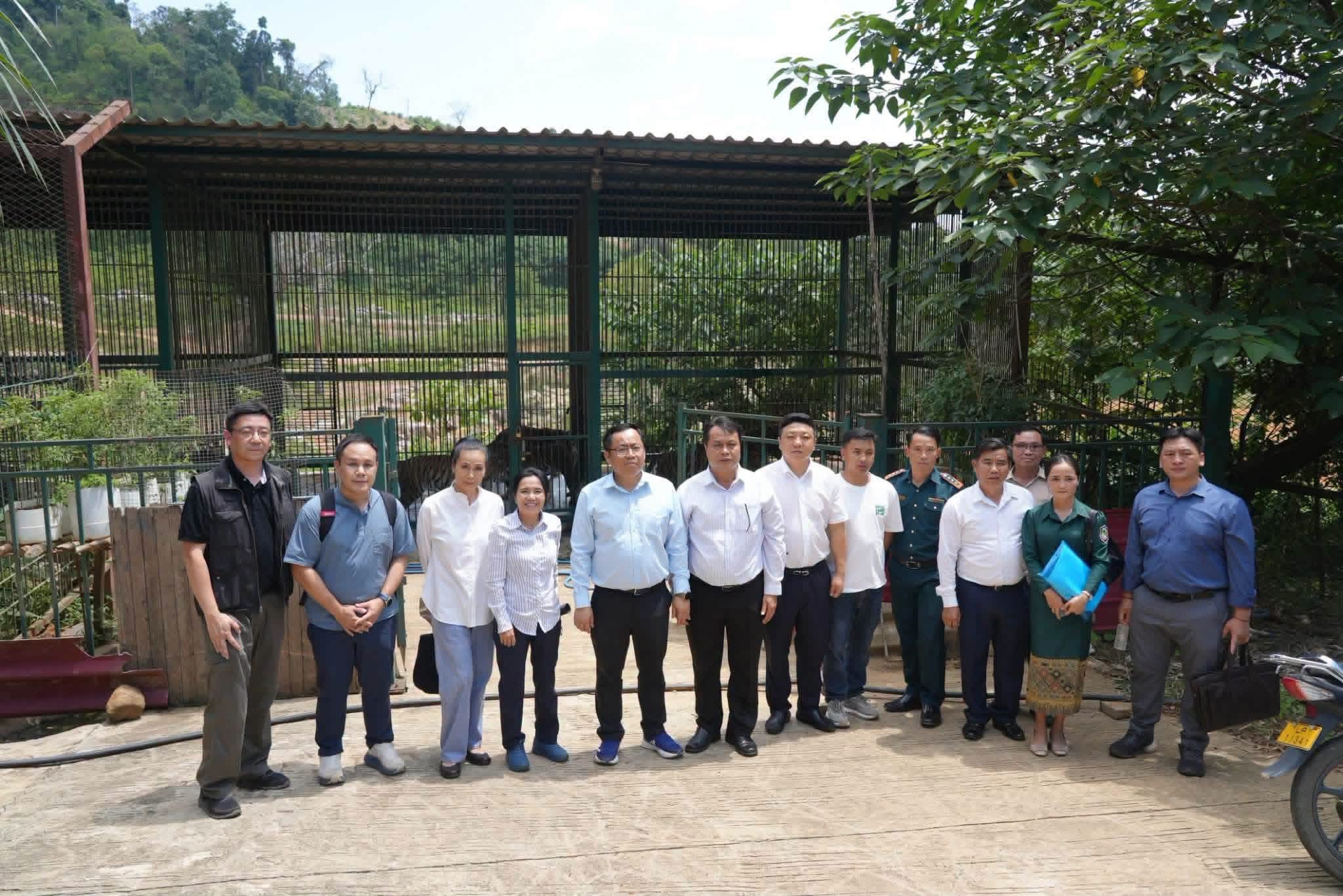
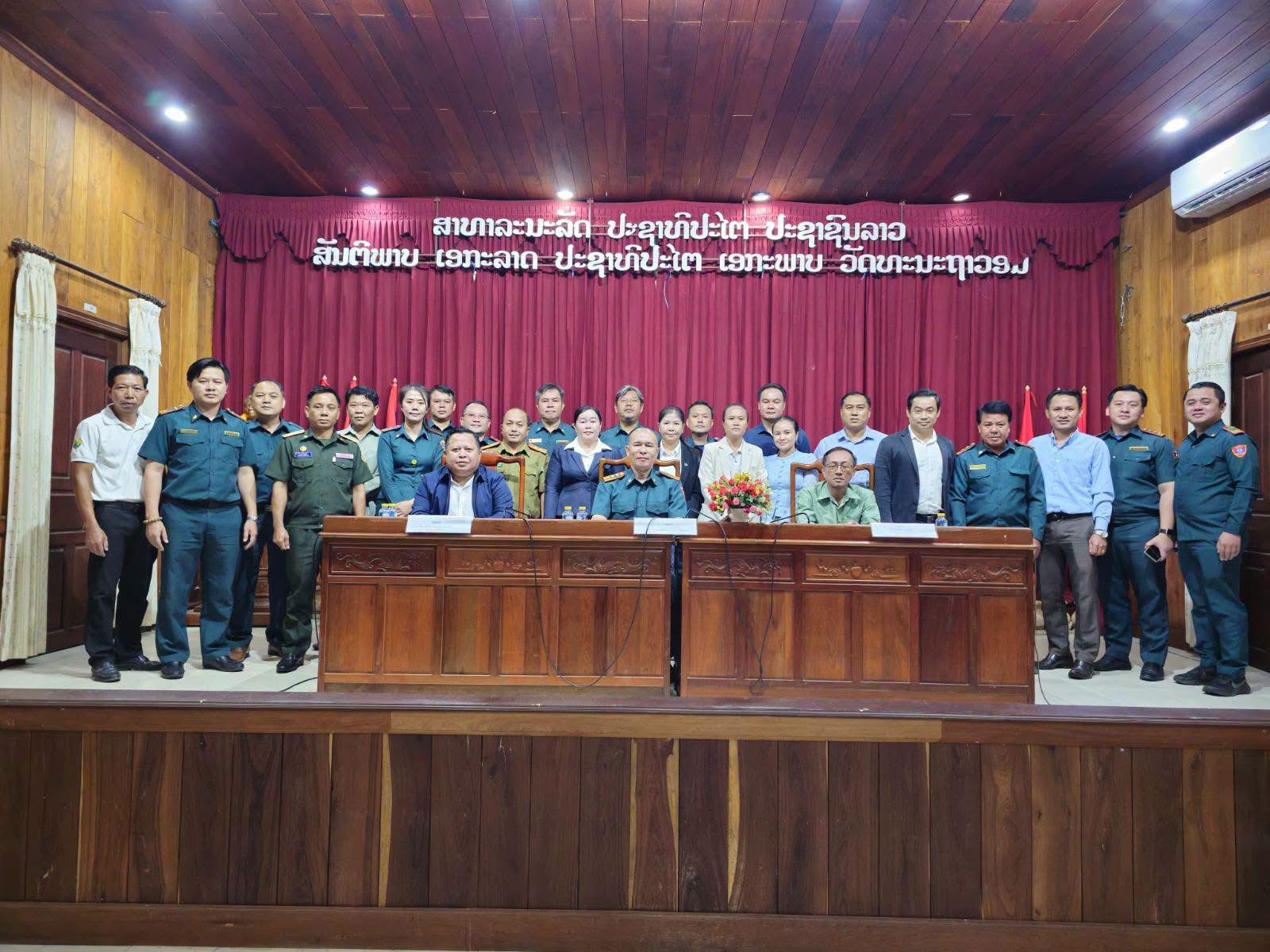
All six facilities were covered by the 2026 inspection programme, involving the Department of Forestry, the CITES Management Authority, inspection and provincial authorities, veterinary personnel and other relevant agencies.
Inspections examined operating authorizations, tiger inventories, microchips and photographic identification, and records of births, deaths and transfers. They also assessed sterilization status, animal health and welfare, enclosure conditions, security and measures to prevent breeding.
Decisions on surgical sterilization were guided by individual veterinary assessments. These considered age, body condition, medical history and each animal’s ability to tolerate immobilization, anaesthesia, surgery and recovery.
Elderly tigers and animals with health conditions that increased surgical or anaesthetic risks were excluded where veterinary assessment determined that intervention was inappropriate. For these animals, reproductive control is maintained through separation of males and females, secure housing and measures to prevent breeding.
Veterinary monitoring and updates to individual records continue, alongside post-operative monitoring of sterilized animals.
Record management remains a central part of the programme. Official documentation includes inventories, individual identification and photographs, health and reproductive status, sterilization records, and records of births, deaths and transfers.
Verified information is incorporated into national tiger-management records, with the competent authorities responsible for regular updates. Maintaining these records supports continued verification of the population held at each facility.
During the reporting period, the Department of Forestry also continued controls on the establishment of new captive-tiger breeding facilities, breeding activities, and the acquisition and import of tigers for breeding purposes. The report states that no new authorizations for these activities were recorded.
The measures are supported by Prime Minister’s Office Notice No. 574/PMO of 2 April 2025 and Prime Minister’s Order No. 25/PM of 16 September 2025. These instruments provide the principal national basis for the moratorium on new wildlife farms and the inspection and management of captive-tiger facilities.
The Department of Forestry will continue facility inspections, inventory verification, veterinary monitoring and reproductive-control measures under CAP Recommendation j), with ongoing attention to accurate individual records and the documentation of births, deaths and transfers.